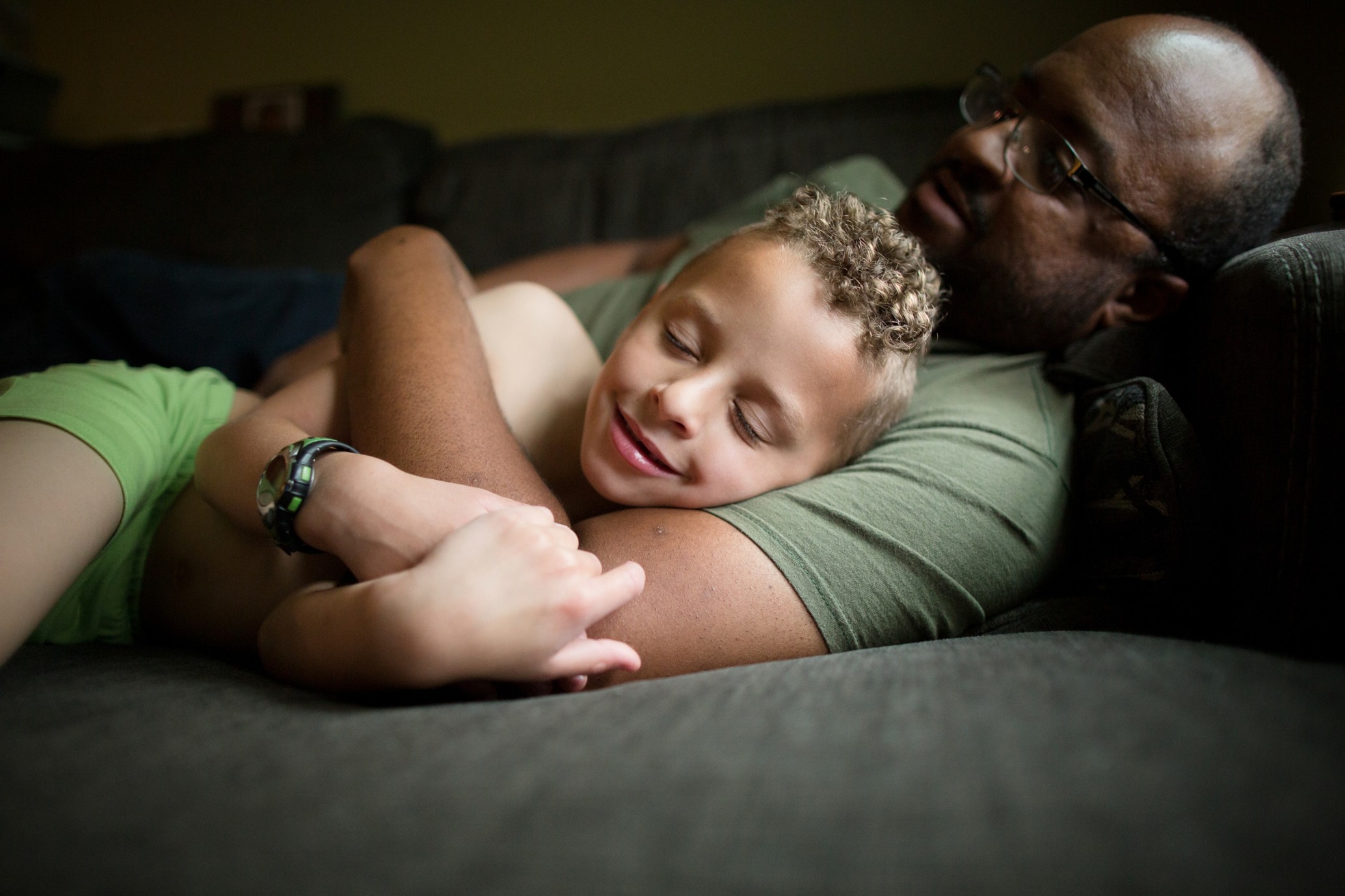
Part 2, IWD: Practical Steps Towards a More Inclusive and Healthier Masculinity
In Part 1, using the research underpinning Caitlin Moran's book, "What About Men?", we saw that the journey toward gender equality is a collective endeavour and one where it is crucial to recognise that bringing men into the conversation and addressing their challenges is essential.
So, the question is how can we do that with all the men in our lives—husbands, sons, brothers, friends?
Here are some practical steps to help us redefine masculinity in a way that is more inclusive and healthier way:
1. Encourage Open Conversations
* Make space for men to express their emotions without fear of judgment.
* Normalise discussions about feelings, struggles, and vulnerabilities.
2. Challenge Gender Stereotypes at Home
* Teach boys that expressing emotions is a strength, not a weakness.
* Encourage interests beyond traditional gender norms—whether it's cooking, sports, art, or caregiving.
* Reinforce that masculinity isn’t about dominance or emotional suppression but about character, kindness, and self-awareness.
3. Model Healthy Emotional Expression
* Show that talking about struggles—whether it’s stress, mental health, or personal failures—is normal.
* Demonstrate vulnerability in your own life to help them feel comfortable doing the same.
* Support male role models who openly discuss their emotions and mental health.
4. Help Build Support Networks
* Encourage men to develop and maintain friendships that go beyond surface-level interactions.
* Suggest joining groups or communities where emotional well-being and personal growth are prioritized (men’s groups, sports teams, hobby clubs).
* If they seem isolated, gently nudge them toward reconnecting with old friends or making new ones.
5. Address Mental Health Proactively
* Normalise seeking professional help for mental health issues.
* Encourage therapy or counselling as a sign of strength, not weakness.
* Make mental health resources easily accessible and talk about them in everyday conversation.
6. Reframe Feminism as Beneficial for Men
* Show how feminism isn't just about women’s rights but about breaking down harmful gender expectations for everyone.
* Explain that equality means men, too, are free to be their full selves, without rigid social pressures.
* Share examples of how gender equality benefits men—like paternity leave, better work-life balance, and emotional well-being.
7. Teach Young Boys Emotional Intelligence
* From an early age, encourage boys to name and process their emotions.
* Praise kindness, empathy, and cooperation as much as traditional "achievements."
* Make sure they see positive male role models who prioritize emotional intelligence.
8. Call Out Toxic Masculinity with Compassion
* If a man in your life dismisses emotional vulnerability, ask, “Why do you think that is?” instead of outright confronting them.
* Address sexist or dismissive remarks in a way that invites discussion rather than defensiveness.
9. Encourage Positive Male Role Models
* Share stories of men who challenge traditional masculinity in a healthy way (e.g. Paul Mescal, Andrew Scott, Joe Wicks, Tom Daly).
* Highlight male celebrities, athletes, or public figures who openly discuss emotions and vulnerability (e.g. Roman Kemp, Prince Harry, Steven Bartlett, Stormzy, Freddie Flintoff)
10. Make It a Collective Effort
* Don’t put all the emotional labour on women—encourage men to support each other.
* Have fathers, uncles, and male friends model these behaviours for younger generations.
* Foster a culture where emotional well-being is a shared responsibility, not a gendered one.
Final Thought
None of this is easy and it takes a long time – but if we can try consistently to foster a culture of emotional openness and mutual support, we create healthier relationships, stronger families, and a more equal society.
Share
Comments (0)
Leave A Comment
Law Firms & Fair Treatment: Regulatory Reach & Bite
02.04.2025, 09:33
Comments:
1

Dear CEO...
10.03.2025, 12:29
Comments:
0

Part 3, The Power of Mistakes: Portals of Discovery
02.04.2025, 09:35
Comments:
0
Part 2, IWD: Practical Steps Towards a More Inclusive and Healthier Masculinity
10.03.2025, 10:52
Comments:
0
Subscribe
Get the latest news and exclusive offers
Adolph
on Law Firms & Fair Treatment: Regulatory Reach & Bite
09.07.2025, 17:44
thorogoodhr
on WFH: The Real Trade Off
13.03.2025, 16:35
Jane Kelly
on WFH: The Real Trade Off
12.03.2025, 15:29